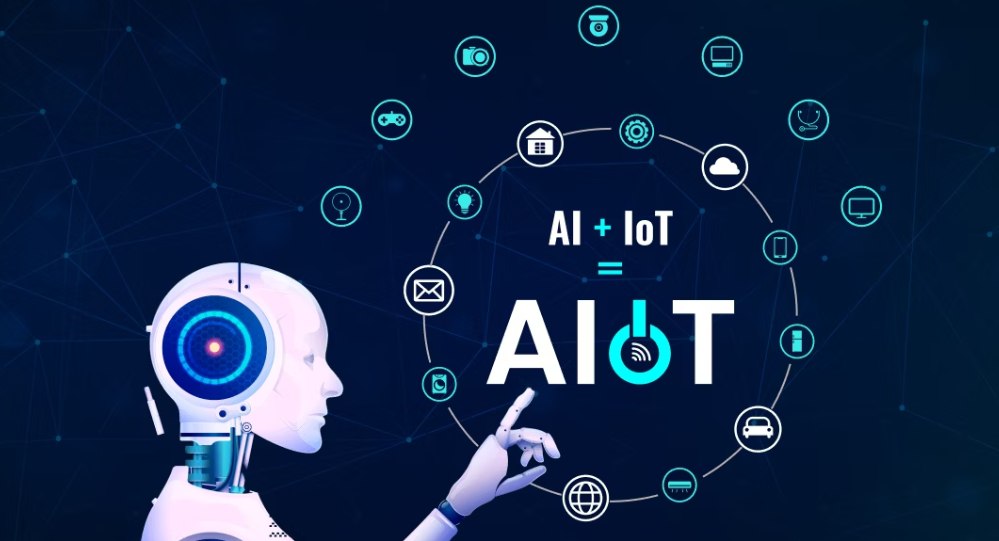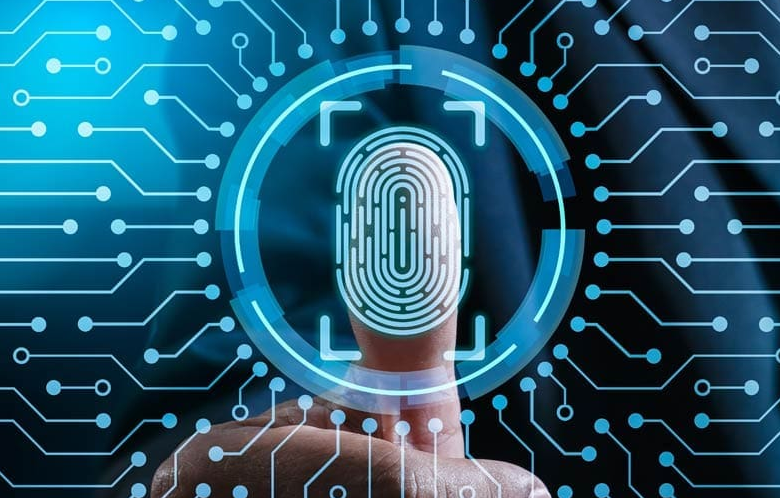
The future of biometric security systems showcases a critical intersection of technology and privacy. With advancements in artificial intelligence and machine learning, accuracy in identification is set to improve significantly. However, this evolution raises pertinent questions about data ownership and privacy concerns. As industries adapt to these enhanced systems, the implications for individual autonomy and security protocols warrant careful examination. What balance will emerge between technological innovation and the safeguarding of personal freedoms?
The Rise of Biometric Authentication Technologies
As organizations increasingly prioritize security, the adoption of biometric authentication technologies has surged, reflecting a broader trend towards enhanced identity verification methods.
Facial recognition and fingerprint scanning have emerged as leading modalities, offering robust solutions for access control.
These technologies leverage unique biological traits, minimizing fraud risk and fostering user autonomy, thereby aligning with contemporary demands for secure, yet user-friendly, identification practices.
See also: The Evolution of Smartphones: Past, Present, and Future
Applications of Biometric Systems Across Industries
While biometric systems have gained prominence in security, their applications extend far beyond mere access control, permeating various industries including healthcare, finance, and retail.
In healthcare applications, biometric identifiers enhance patient verification and streamline record access.
In financial services, these systems bolster transaction security and fraud prevention, thereby fostering trust and efficiency.
Ultimately, they contribute to a more secure and user-centric environment across sectors.
Challenges and Concerns Surrounding Biometric Security
Despite the growing reliance on biometric security systems across various industries, significant challenges and concerns accompany their implementation.
Privacy implications arise as personal data becomes susceptible to unauthorized access, while security vulnerabilities may lead to identity theft or system breaches.
These issues necessitate rigorous evaluations and transparent policies to safeguard individual rights and ensure that biometric technologies do not undermine the very freedoms they aim to protect.
The Future Landscape of Biometric Technology
The future landscape of biometric technology is poised for transformative advancements, driven by the integration of artificial intelligence and machine learning algorithms.
These biometric advancements promise enhanced accuracy and security, reducing the risks associated with traditional identification methods.
As technology integration continues to evolve, the potential for decentralized biometric systems may empower individuals, fostering greater autonomy and privacy in personal security applications.
Conclusion
As biometric security systems continue to evolve, they promise a future rich with potential, where enhanced accuracy harmonizes with individual empowerment. This delicate balance may redefine personal autonomy in an increasingly interconnected world. However, the journey ahead is fraught with complexities, necessitating a careful approach to safeguard individual freedoms while embracing technological advancements. Ultimately, the landscape of biometric technology may not only transform security paradigms but also reshape societal norms surrounding privacy and identity in a digital age.