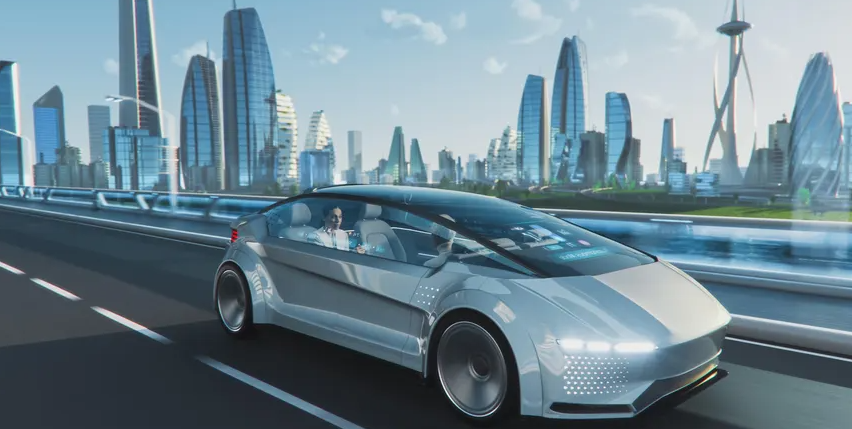
The evolution of self-driving cars and autonomous vehicles represents a significant shift in transportation. Innovations in machine learning and sensor technologies promise to enhance safety and reduce traffic congestion. However, the path to integration is fraught with challenges, including public skepticism and regulatory hurdles. As cities adapt to these changes, the implications for urban mobility and infrastructure could be profound. What will this mean for the future of our cities?
Technological Advancements Driving Autonomy
As the demand for safer and more efficient transportation solutions grows, technological advancements are increasingly driving the evolution of self-driving cars and autonomous vehicles.
Central to this progress are machine learning algorithms, which enhance decision-making capabilities, and sophisticated sensor technology, enabling vehicles to perceive their surroundings.
These innovations are crucial for achieving higher levels of autonomy, ultimately granting users unprecedented freedom in their travel experiences.
See also: The Future of Biometric Security Systems
Benefits of Autonomous Vehicles for Society
While the transition to autonomous vehicles may seem challenging, the potential benefits for society are substantial.
Safety improvements are expected to reduce accident rates significantly, leading to fewer injuries and fatalities.
Additionally, the economic impact could be profound, with increased productivity from reduced traffic congestion and lower transportation costs.
Ultimately, these advancements promise enhanced mobility and greater freedom for individuals and communities alike.
Challenges and Ethical Considerations
The promise of autonomous vehicles brings with it a host of challenges and ethical considerations that must be carefully navigated.
Regulatory hurdles complicate the path to widespread adoption, as lawmakers grapple with safety standards and liability issues.
Simultaneously, public perception remains a crucial barrier, with many expressing skepticism about the technology’s reliability and moral implications, ultimately influencing the future of self-driving cars.
The Future of Urban Mobility and Infrastructure
With the advent of autonomous vehicles, the landscape of urban mobility and infrastructure is poised for a profound transformation.
The integration of smart transportation systems will reshape urban design, creating spaces that prioritize efficiency and accessibility.
Cities will evolve into interconnected ecosystems, enhancing freedom of movement while reducing congestion.
This shift promises to redefine the relationship between individuals and their urban environments, fostering a sustainable future.
Conclusion
As the promise of self-driving cars looms on the horizon, a juxtaposition emerges between the utopian vision of safer, more efficient urban landscapes and the stark realities of regulatory challenges and public apprehension. While the potential for reduced accidents and improved mobility is enticing, ethical dilemmas and infrastructure readiness remain pressing concerns. The path to widespread adoption of autonomous vehicles is fraught with complexity, yet it simultaneously offers a glimpse into a transformative future for urban living and transportation.